Every medicine has the potential to produce effects beyond the one it is intended to produce.
Some are mild and temporary. Others can be serious.
Then there are drug interactions, where one medicine changes the effect of another medicine—or where food, alcohol, supplements or an existing medical condition changes how a medicine behaves.
Understanding the difference between these concepts can make medicine information much easier to interpret.
What Is a Side Effect?
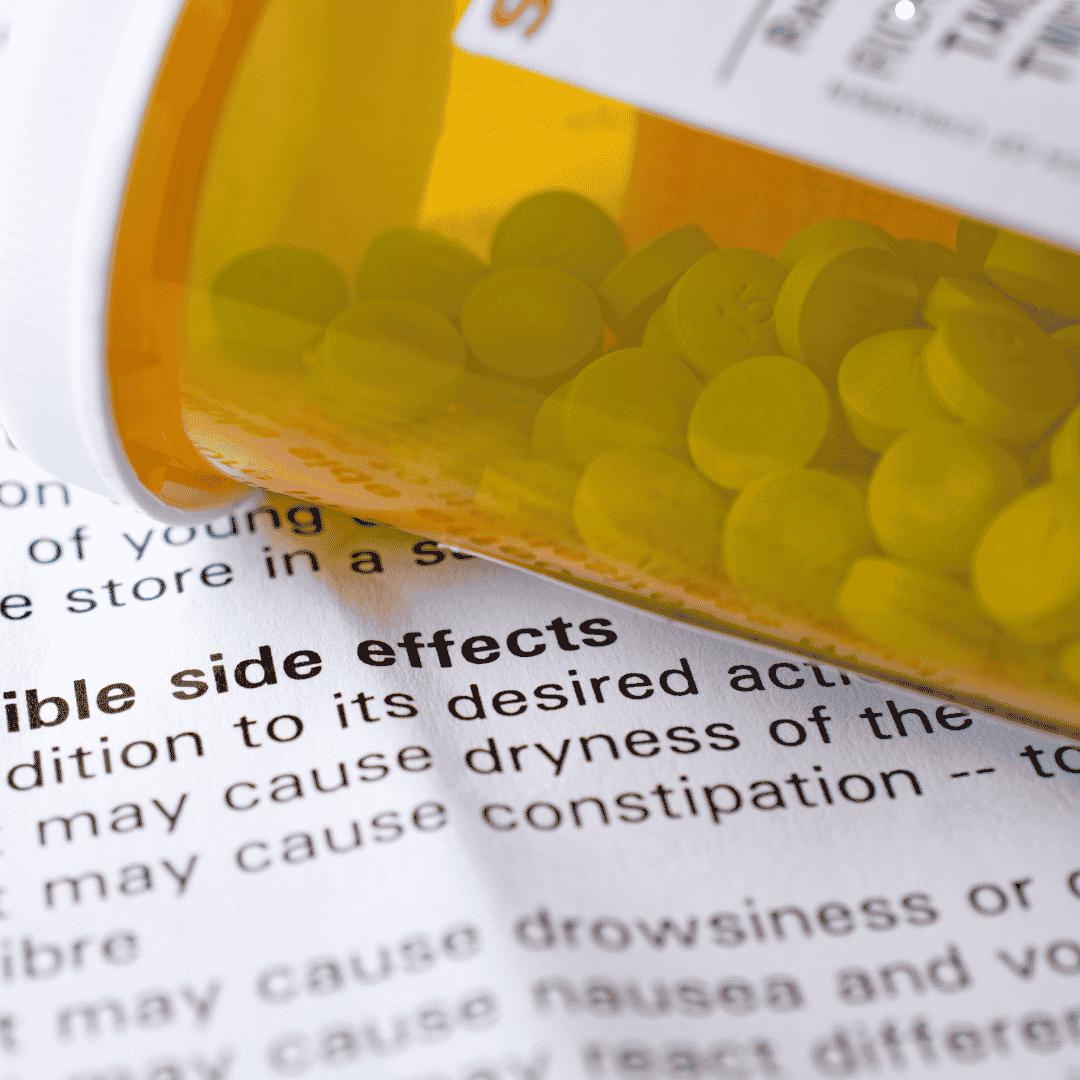
A side effect is an unintended effect associated with a medicine.
It may be:
- Mild
- Moderate
- Serious
- Temporary
- Long-lasting
A medicine can have several known side effects without all of them occurring in every person.
Common Does Not Mean Certain
If a medicine’s information says headache is a “common” side effect, it doesn’t mean everyone taking the medicine will develop a headache.
Frequency categories describe how often effects were observed or are expected to occur within defined populations and studies.
This is why medicine information should not be interpreted as a prediction of exactly what will happen to one individual.
What Is a Drug Interaction?
A drug interaction occurs when another substance or condition changes the way a medicine works.
MedlinePlus describes interactions as changes in how a drug acts when it is taken with certain other drugs, foods or supplements, or when particular medical conditions are present.
Interactions can:
- Increase a medicine’s effect
- Decrease its effect
- Increase side effects
- Change how quickly it is removed from the body
Medicine–Medicine Interactions
Taking several medicines does not automatically mean there will be a problem.
But some combinations require caution.
For this reason, healthcare professionals should know about all medicines a patient uses, including prescription medicines, OTC products and supplements.
Food and Alcohol Interactions
Food can sometimes change how a medicine is absorbed or processed.
Alcohol can also interact with certain medicines and may increase particular side effects.
The interaction is medicine-specific, so general rules such as “never take medicine with food” are not appropriate.
Medicine and Medical Condition Interactions
A medicine can also be unsuitable because of a person’s existing health condition.
Kidney or liver disease, for example, can affect how some medicines are processed.
Other conditions may also alter the risk associated with a particular medicine.
What About Allergies?
A drug allergy is different from an ordinary side effect.
Allergic reactions can involve symptoms such as:
- Hives
- Swelling
- Breathing difficulty
- Severe skin reactions
A suspected serious allergic reaction requires urgent medical attention.
When Is a Side Effect an Emergency?
Not every side effect requires emergency care.
However, symptoms such as difficulty breathing, severe swelling, fainting, severe allergic reactions, seizures or other rapidly developing serious symptoms require immediate medical attention.
The medicine’s official safety information should always be consulted for specific warning signs.
Why You Shouldn’t Stop Important Medicines Suddenly
People sometimes experience a side effect and immediately stop taking the medicine.
Sometimes that is appropriate—but sometimes abruptly stopping a medicine can itself be dangerous.
The safest response depends on the medicine.
If you are concerned about a side effect from a prescribed medicine, contact your doctor or pharmacist before making changes unless you are experiencing an emergency that requires immediate medical care.