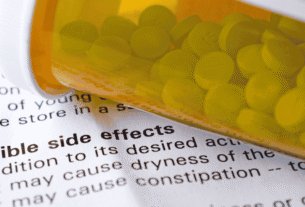
Picking up a medicine bottle and reading the label can sometimes feel like reading another language. There may be several names, numbers, abbreviations and warnings on a single package, and it is not always obvious which information matters most.
Understanding a medicine label is an important part of using medicines safely. Whether the medicine was prescribed by a doctor or purchased over the counter, the packaging contains information about what the medicine contains, what it is intended to do, how it should be used and when extra caution is needed.
For over-the-counter medicines in the United States, the FDA requires a standardized Drug Facts format so that important information appears consistently across products. Other countries use their own labeling requirements, but the underlying concepts are broadly similar.

1. Medicine Name
The first thing to identify is the name of the medicine.
A product may have:
- A brand name, chosen by the manufacturer
- A generic name, referring to the active pharmaceutical ingredient
- Sometimes both names displayed together
For example, a package may prominently display a brand name while listing the generic ingredient elsewhere on the label.
Knowing the generic name is particularly useful because different brands can contain the same active ingredient.
2. Active Ingredient
The active ingredient is the substance responsible for the medicine’s intended therapeutic effect.
A label may also tell you how much active ingredient is present in each tablet, capsule, measured volume or other dosage unit.
For example:
Paracetamol 500 mg
means that each specified tablet contains 500 milligrams of paracetamol.
This is different from saying that the entire tablet weighs 500 mg.
3. Strength
Strength describes the amount of active ingredient in a particular dosage unit or volume.
Common examples include:
- 500 mg per tablet
- 250 mg/5 mL
- 10 mg/mL
- 5% cream
Strength and dose are not the same thing.
The strength tells you how much medicine is contained in the dosage unit. The dose tells you how much the person should actually take.
That distinction becomes particularly important with liquid medicines.
4. Dosage Form
The dosage form describes how the medicine is prepared for administration.
Examples include:
- Tablet
- Capsule
- Oral solution
- Suspension
- Cream
- Ointment
- Injection
- Inhaler
- Eye drops
- Suppository
Two products containing the same active ingredient may have completely different dosage forms and instructions.
5. Route of Administration
The route tells you how the medicine is intended to enter the body.
Common routes include:
- Oral
- Topical
- Inhaled
- Nasal
- Ophthalmic
- Rectal
- Intravenous
- Intramuscular
A medicine intended for one route should not automatically be used through another.
6. Uses
The label explains the symptoms, diseases or conditions the medicine is intended to treat, relieve or prevent.
For OTC products, this section is often particularly useful because it helps consumers determine whether a product is appropriate for the problem they are trying to address.
However, having a symptom listed on a package does not mean that the medicine is appropriate for every person experiencing that symptom.
7. Warnings
This is one of the sections people should never skip.
Warnings may explain:
- Who should not use the medicine
- When to consult a healthcare professional
- Possible serious reactions
- Drug interactions
- Conditions requiring extra caution
- When to stop using the medicine
- Pregnancy or breastfeeding considerations
- Age-related restrictions
The FDA specifically includes these types of information in the warning section of OTC Drug Facts labels.
8. Directions
Directions explain how the medicine should be used.
Depending on the product, they may specify:
- How much to take
- How often to take it
- How long to use it
- Maximum daily amount
- Age-specific instructions
- Whether to take it with food or water
Do not assume that two medicines with the same active ingredient have identical dosing instructions. Strength, formulation and intended use can differ.
9. Inactive Ingredients
Inactive ingredients do not provide the medicine’s primary therapeutic effect, but they are still worth knowing about.
They may include substances used for:
- Color
- Flavor
- Preserving the product
- Binding ingredients together
- Producing a particular dosage form
People with certain allergies or sensitivities may need to check this section carefully.
10. Expiry Date and Storage
Check the expiry date before using a medicine.
The packaging may also specify storage conditions such as:
- Room temperature
- Refrigeration
- Protection from light
- Protection from moisture
Some medicines are particularly sensitive to inappropriate storage.
Keep medicines in their original containers whenever practical, particularly when several medicines are being used in the same household.
11. Manufacturer Information
Medicine packaging may identify the manufacturer, distributor or other responsible company.
This can be useful when you are trying to identify the source of a medicine, report a problem or distinguish between similarly named products.